
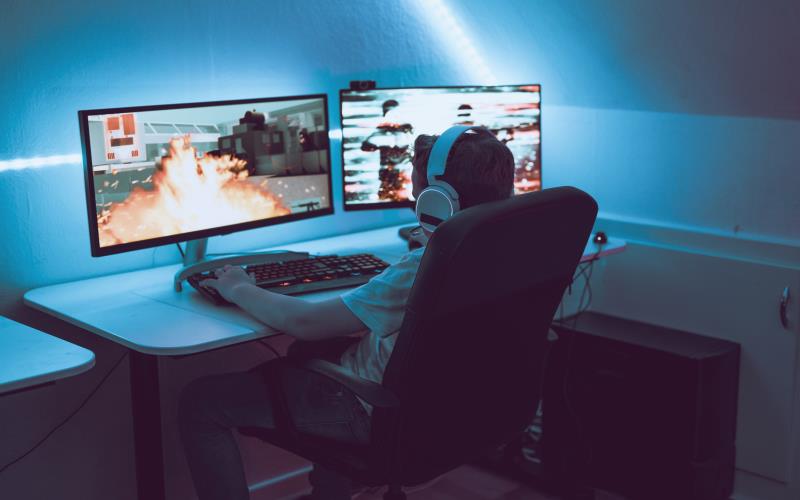

Online gaming has become a dominant form of entertainment in modern society, with millions of people around the world engaging in video games daily. While much attention has been paid to the physical effects of gaming, there is increasing recognition of the profound impact online games have on mental health. The relationship between gaming and mental health is complex, with both positive and negative effects depending on the nature of the games, the context of play, and the player’s personal circumstances. In this article, we’ll explore how online games influence mental health, examining both the benefits and potential drawbacks.
1. Positive Effects of Online Games on Mental Health
While excessive gaming can lead to negative consequences, there are several ways in which online gaming can have a positive influence on mental health.
1.1 Stress Relief and Relaxation
For many players, online slot88 gaming provides a much-needed escape from the pressures of everyday life. Engaging in a game allows individuals to immerse themselves in virtual worlds, offering a temporary reprieve from stress and anxiety.
- Cognitive Distraction: Online games provide a distraction from daily worries, enabling players to focus on in-game challenges rather than real-life stressors.
- Relaxation through Play: Games like Animal Crossing or Stardew Valley provide calming environments that can help players unwind. These games are designed to promote relaxation, with slow-paced activities like farming, fishing, and building that encourage mindfulness.
1.2 Social Connections and Community Support
One of the greatest benefits of online slot gaming is its ability to connect people across the globe. Multiplayer games create opportunities for social interaction and collaboration, often leading to lasting friendships and strong communities.
- Building Friendships: Many players form deep, supportive relationships with others they meet in games. These friendships can provide emotional support, combat loneliness, and foster a sense of belonging, especially for individuals who struggle with real-world social interactions.
- Collaborative Teamwork: Team-based games like Overwatch or League of Legends require communication, strategy, and mutual cooperation, which can foster a sense of camaraderie and shared purpose. This can help improve a person’s sense of belonging, especially for those who may feel isolated in their offline lives.
1.3 Cognitive and Emotional Skills Development
Certain types of online games, particularly strategy and role-playing games, can enhance cognitive functions such as problem-solving, memory, and decision-making.
- Improved Cognitive Function: Games like Portal or The Witcher 3 challenge players to solve puzzles, think critically, and adapt to ever-changing scenarios. These games can help improve executive functions, such as working memory and mental flexibility.
- Emotional Regulation: Games that require players to manage resources, lead teams, or navigate complex social dynamics can help individuals build emotional resilience and improve their ability to handle stress.
1.4 Enhanced Self-Esteem and Confidence
Many online games like the best online pokies australia 2025 have progression systems that allow players to build and enhance their skills, which can lead to a sense of accomplishment and increased self-esteem.
- Achievement and Mastery: As players progress through levels, unlock new content, or achieve in-game goals, they experience a sense of accomplishment. These achievements can translate into feelings of success and confidence, especially when they are shared within the gaming community.
- Positive Feedback: Online games often involve positive reinforcement, whether through in-game rewards, rankings, or praise from teammates. This can build confidence and a sense of competence, contributing to mental well-being.
2. Negative Effects of Online Games on Mental Health
While online games offer many benefits, there are also significant challenges that can negatively affect mental health, particularly when gaming habits become excessive or unhealthy.
2.1 Gaming Addiction and Compulsive Behavior
One of the most concerning aspects of online gaming is the potential for addiction. When gaming becomes compulsive and starts to interfere with other areas of life, it can have serious consequences on mental health.
- Loss of Control: Players who become addicted to online games often find it difficult to stop playing, even when it begins to affect their work, school, or relationships. This compulsive behavior can lead to feelings of frustration, guilt, and emotional distress.
- Negative Impact on Daily Life: Excessive gaming can lead to neglect of daily responsibilities such as work, personal hygiene, or social interactions. This can exacerbate feelings of isolation, anxiety, and depression, as players may withdraw from the real world in favor of their virtual environments.
2.2 Social Isolation and Escapism
While online games can facilitate social connections, excessive gaming can also contribute to social isolation and detachment from real-world relationships.
- Avoidance of Real-Life Problems: Some players may use online gaming as a form of escapism, avoiding real-life issues such as family problems, job stress, or personal conflicts. While this can provide short-term relief, it can prevent individuals from addressing and managing their emotions in healthier ways.
- Reduced Face-to-Face Interactions: Excessive gaming, particularly for those who engage primarily in solo experiences, can lead to a reduction in face-to-face socialization. Over time, this can increase feelings of loneliness and contribute to social withdrawal.
2.3 Increased Aggression and Toxic Behavior
Certain types of competitive online games, particularly multiplayer shooters or battle royale games, can sometimes foster toxic behavior and aggression among players.
- Toxicity and Cyberbullying: The anonymity of online interactions can lead to increased negative behavior, including trolling, harassment, and cyberbullying. This can create a toxic environment that negatively impacts mental well-being, both for the targets of bullying and the perpetrators.
- Increased Aggression: Some studies suggest that competitive, high-stakes online games may contribute to increased aggression in players. This can manifest as frustration, anger, or irritability, especially when players experience repeated defeats or encounters with hostile opponents.
2.4 Sleep Disruptions and Physical Health Issues
Extended gaming sessions, especially late at night, can lead to sleep disruptions and other physical health concerns.
- Poor Sleep Hygiene: Playing games late into the night can disrupt sleep patterns, leading to sleep deprivation. This can contribute to a range of mental health issues, including irritability, mood swings, and difficulty concentrating during the day.
- Sedentary Lifestyle: Many online games encourage long periods of sitting, which can contribute to physical health problems such as poor posture, back pain, and eye strain. These physical discomforts can impact mental health by leading to feelings of fatigue, discomfort, and frustration.
3. Strategies for Maintaining a Healthy Relationship with Online Gaming
To enjoy the benefits of online gaming while minimizing its negative effects, it’s important to maintain a healthy balance between gaming and other aspects of life. Here are a few strategies for achieving this balance:
3.1 Setting Time Limits
It’s essential to set boundaries for how much time is spent playing games. By establishing daily or weekly limits on gaming sessions, individuals can avoid falling into the trap of excessive play and prioritize other important activities like work, school, or socializing.
3.2 Prioritizing Physical and Mental Well-being
Engaging in physical activity, maintaining a healthy diet, and practicing mindfulness can help offset the sedentary nature of gaming. Regular exercise can improve mental health, reduce stress, and promote better sleep hygiene.
3.3 Maintaining Social Connections in the Real World
While online gaming provides a platform for virtual socialization, it’s important to maintain face-to-face connections with family, friends, and colleagues. Regular real-world interactions can prevent social isolation and provide emotional support when needed.
3.4 Recognizing Signs of Addiction
If gaming begins to interfere with daily life, it’s essential to recognize the signs of addiction. Players should be mindful of how gaming affects their emotional well-being and consider seeking help if they notice negative changes in behavior, mood, or relationships.
Conclusion
Online gaming has a profound impact on mental health, offering both positive and negative consequences. On the one hand, it provides opportunities for stress relief, social connection, and cognitive development. On the other hand, excessive gaming can lead to addiction, social isolation, and physical health issues. By maintaining a healthy balance and being mindful of the time spent gaming, players can enjoy the benefits of online games while protecting their mental well-being.

