
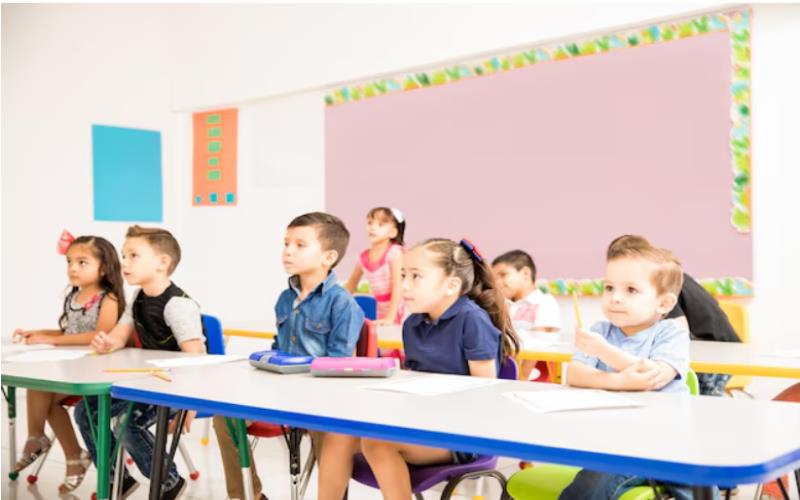

In recent years, progressive preschools have gained considerable attention for their innovative approaches to early childhood education. These schools prioritise a child-centred learning environment that nurtures creativity, independence, and critical thinking. The progressive preschool model represents a shift away from traditional teaching methods, focusing instead on fostering a love of learning through exploration, inquiry, and hands-on experiences.
As more parents seek educational options that align with their values and the developmental needs of their children, progressive preschools are becoming increasingly popular. But what exactly does a progressive preschool in Tampines offer, and how does it differ from more conventional preschool settings? Understanding the progressive preschool approach can help parents make informed decisions about their child’s early education.
What is a Progressive Preschool?
Progressive preschools follow an educational philosophy that emphasises the importance of nurturing the whole child – academically, socially, emotionally, and physically. Unlike traditional preschools that may focus heavily on structured lessons and standardised outcomes, progressive preschools encourage children to learn through play, experimentation, and real-world experiences.
The focus is on fostering an environment where children are encouraged to ask questions, explore their interests, and work collaboratively with others. Teachers in progressive preschools act as facilitators of learning, guiding children as they explore various subjects and ideas, rather than dictating the pace or content of lessons.
Child-Centred Learning
At the heart of progressive preschools is a child-centred approach to learning. This means that the needs, interests, and developmental stages of each child are considered when planning activities and curriculum. Progressive schools recognise that children learn at different rates and in different ways, and they strive to accommodate these differences by providing personalised learning experiences.
Children are encouraged to engage in self-directed learning, making choices about the activities they want to pursue based on their curiosity and interests. This autonomy promotes confidence and a sense of ownership over their learning process, helping children to develop important skills such as decision-making, problem-solving, and self-regulation.
Emphasis on Play-Based Learning
One of the defining characteristics of progressive preschools is their emphasis on play-based learning. Play is recognised as a critical component of early childhood development, providing opportunities for children to explore, discover, and develop a variety of cognitive, social, and emotional skills. In a progressive preschool setting, play is not simply seen as a break from learning but as a vital part of the learning process itself.
Through play, children develop fine and gross motor skills, enhance their creativity, improve language development, and learn how to interact with their peers. Whether it’s imaginative play, building with blocks, or engaging in cooperative games, children in progressive preschools are given plenty of time to play and experiment, all while acquiring key skills that will benefit them throughout their lives.
Inquiry-Based Learning
Progressive preschools often utilise inquiry-based learning, which encourages children to ask questions and explore topics that interest them. Instead of following a rigid curriculum, teachers in progressive settings work with children to explore concepts through investigation and exploration. This approach encourages curiosity and critical thinking, as children are not simply expected to memorise facts but to engage actively with the material.
Teachers provide a stimulating environment filled with diverse materials, tools, and resources that encourage exploration and problem-solving. Children are guided through the process of asking questions, seeking answers, and reflecting on their discoveries. This approach fosters a deep understanding of concepts and helps children become independent thinkers.
Emotional and Social Development
In addition to cognitive development, progressive preschools place a strong emphasis on emotional and social growth. These schools recognise that early childhood is a critical period for developing emotional intelligence, and they prioritise creating a nurturing environment where children feel supported, understood, and respected.
Through group activities, children learn important social skills such as communication, cooperation, empathy, and conflict resolution. They are encouraged to express their emotions, build positive relationships with peers, and understand the perspectives of others. Teachers in progressive preschools model healthy emotional behaviours and guide in managing feelings like frustration, anger, and excitement.
Creativity and Self-Expression
Progressive preschools also place a high value on fostering creativity and self-expression. Children are encouraged to engage in creative activities such as art, music, drama, and storytelling, which help them develop their imagination and self-confidence. These activities also allow children to express themselves in ways that words alone may not capture, promoting emotional expression and a deeper understanding of themselves and the world around them.
The creative aspect of progressive education also extends to problem-solving and critical thinking. Children are encouraged to think outside the box, take risks, and experiment with new ideas. This type of thinking is essential for later academic success and for developing the skills needed to navigate the challenges of the future.
Collaboration and Community Building
In progressive preschools, collaboration is highly valued. Children are encouraged to work together, share ideas, and solve problems as a group. This collaborative learning environment helps children develop strong communication skills, learn the value of teamwork, and understand the importance of contributing to a community.
Teachers work to create a sense of belonging within the classroom, fostering a supportive atmosphere where every child feels valued and heard. This focus on community building extends beyond the classroom, as many progressive schools involve parents and families in the learning process, creating a strong partnership between home and school.
Individualised Learning
Progressive preschools recognise that every child is unique, with their strengths, challenges, and interests. As such, the curriculum is often tailored to meet the individual needs of each child. Teachers observe children closely, assess their progress, and adjust the learning experiences to suit their developmental level.
This individualised approach ensures that children are not left behind or pushed too hard. Instead, they are supported at their own pace, to develop a love for learning and a strong sense of confidence in their abilities.
A Focus on Lifelong Learning
One of the most significant benefits of progressive preschools is that they set the stage for lifelong learning. By fostering curiosity, independence, and critical thinking from an early age, progressive preschools help children develop the mindset of lifelong learners. This approach instils a love for learning that persists throughout their academic journey and beyond, preparing them for the challenges of an ever-changing world.
Conclusion
Progressive preschools are redefining early childhood education by creating learning environments that are responsive to the individual needs and interests of each child. Through child-centred, play-based, and inquiry-driven methods, progressive preschools foster the development of important skills such as creativity, critical thinking, socialisation, and emotional intelligence. By prioritising holistic development, these schools ensure that children are not only prepared for academic success but also equipped to navigate the complexities of life. Parents looking for an educational environment that values curiosity, independence, and creativity should consider the many benefits that progressive preschools offer.