

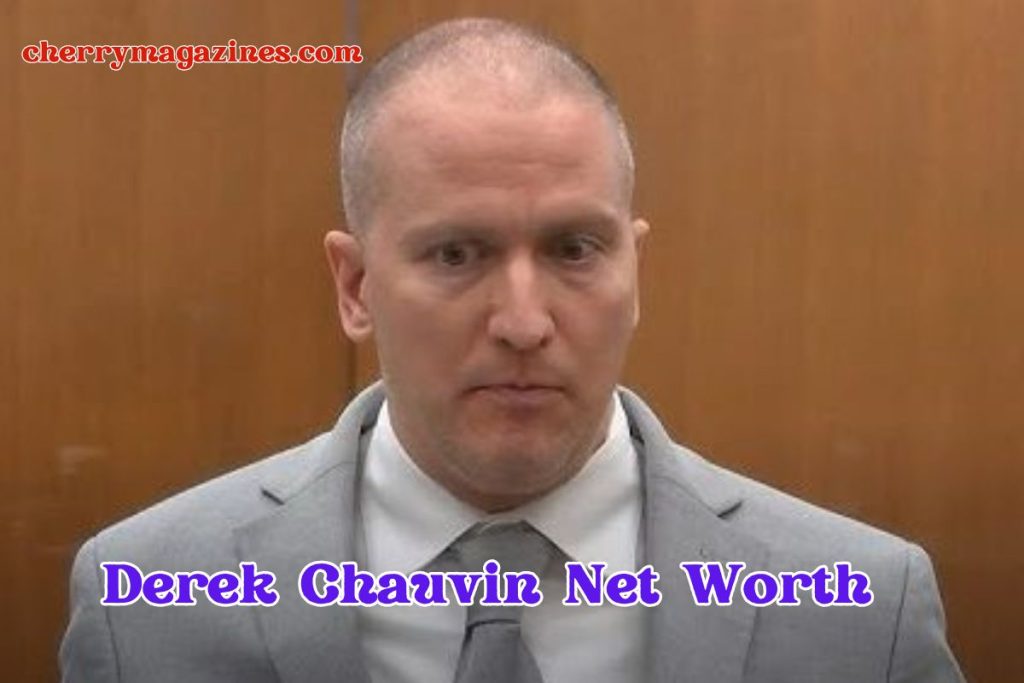
Derek Chauvin net worth is estimated at $500,000 in 2024-25, primarily from his former police salary and potential assets and Derek Chauvin Update.
Derek Chauvin Quick Facts
| Fact | Details |
|---|---|
| Name | Derek Chauvin |
| Birth Date | March 19, 1976 |
| Age | 48 |
| Occupation | Former Police Officer |
| Net Worth | $500,000 (approx.) |
| Family | Father: John Chauvin, Mother: Mary Chauvin |
| Spouse | Kellie Chauvin |
| Children | 1 daughter |
| Known For | Involvement in George Floyd’s death |
| Charges | Second-degree unintentional murder, third-degree murder, and second-degree manslaughter |
| Trial Outcome | Guilty on all charges |
| Sentence | 22.5 years in prison |
| Derek Chauvin Update Current Status | Incarcerated |
| Public Reaction | Widespread protests and calls for police reform |
Derek Chauvin: A Comprehensive Overview
Derek Chauvin, a former police officer in Minneapolis, has become a pivotal figure in the discussion surrounding police conduct and accountability. His involvement in the tragic death of George Floyd on May 25, 2020, ignited global protests and a renewed focus on systemic racism within law enforcement. This article aims to dissect Chauvin’s life, career, and the significant legal issues surrounding him, emphasizing why his case resonates so deeply in today’s society.
The importance of discussing Chauvin’s life extends beyond the individual; it reflects broader societal issues concerning justice and reform in policing. As we explore the various aspects of his life and the events that led to his trial and conviction, we can gain a clearer understanding of the implications for police-community relations and the ongoing calls for change.
Early Life
A. Birth and Family Background
Derek Chauvin was born on March 19, 1976, in Oakdale, Minnesota. He grew up in a working-class family, and little is known about his early childhood and family dynamics. This lack of detailed public information makes it challenging to draw a comprehensive picture of his formative years. However, Chauvin’s upbringing in Minnesota, a state with a mixed racial landscape, may have influenced his worldview and professional choices.
B. Education
Information about Chauvin’s educational background is somewhat limited. He attended local schools in Minnesota but did not pursue higher education in a field that would provide insight into social justice or law enforcement practices. Instead, his path took a different turn when he joined the police force after a brief stint in military service. Chauvin enlisted in the U.S. Army and served as a member of the military police. This experience in the military likely shaped his views on law enforcement and may have contributed to his decision to pursue a career in the police department.
Chauvin completed the necessary training at the Minneapolis Police Department, where he began his career as an officer. His time in the military may have instilled in him a sense of discipline and adherence to authority, traits often emphasized in military training. However, the transition from military to civilian policing can vary significantly, and the values learned in one environment do not always translate to the other.
C. Early Influences and Experiences
Details about Chauvin’s early influences are not extensively documented, leaving gaps in understanding the factors that shaped his character and beliefs. Growing up in a predominantly white suburb, he may not have had significant exposure to diverse perspectives regarding race and community relations. This lack of exposure could have contributed to his worldview, particularly in his interactions with communities of color later in his career.
Related To Lemuel Plummer Net Worth | Age | Career | Biography
While specific early experiences that influenced Chauvin’s perspectives remain elusive, it is essential to consider the environment in which he was raised. His upbringing in a law enforcement environment, combined with military training, might have fostered a strict adherence to authority, potentially clouding his judgment in critical situations.
As we delve deeper into Chauvin’s life, it becomes crucial to explore how these early experiences and influences might have shaped his later decisions as a police officer and contributed to the tragic events that unfolded on May 25, 2020.
Law Enforcement Career
A. Joining the Police Force
Derek Chauvin joined the Minneapolis Police Department in 2001, embarking on a career that would ultimately become one of the most controversial in American law enforcement history. Upon his recruitment, he underwent extensive training that equipped him with the skills and knowledge required for his role. As a new officer, Chauvin was expected to uphold the law while maintaining community safety, but the trajectory of his career would soon raise critical questions about policing practices and accountability.
B. Roles and Responsibilities
Throughout his career, Chauvin served in various capacities within the Minneapolis Police Department. He held multiple roles, including serving as a training officer, where he was responsible for mentoring new recruits. This position placed him in a significant role within the department, as he had the opportunity to influence the next generation of officers. While Chauvin was praised by some as a committed officer, his methods came under scrutiny, particularly in light of the excessive force complaints filed against him.
In addition to his training responsibilities, Chauvin participated in patrol duties and various community policing initiatives. Officers in his position are generally tasked with enforcing laws, responding to emergencies, and engaging with the community to build trust and cooperation. However, Chauvin’s approach often sparked concern among community members and colleagues alike, with some questioning his tactics in high-stress situations.
C. Notable Incidents and Controversies Prior to George Floyd’s Death
Chauvin’s career was marred by a history of excessive use of force complaints, which raised red flags long before the tragic incident involving George Floyd. Reports indicate that he had at least 18 complaints filed against him during his time on the force. While many of these complaints did not lead to formal disciplinary actions or convictions, they highlighted a troubling pattern of behavior that contradicted the principles of community policing and accountability.
Despite these complaints, Chauvin was able to remain on the police force, a fact that has led to increased scrutiny of the internal review processes within law enforcement agencies. Critics argue that the failure to address such complaints effectively contributed to an environment where problematic officers could continue to serve without adequate oversight. This history of complaints raises questions about the department’s commitment to ensuring accountability and fostering a culture of trust with the communities they serve.
The George Floyd Incident
A. Overview of the Events on May 25, 2020
On May 25, 2020, Derek Chauvin was involved in the arrest of George Floyd, a 46-year-old Black man, for allegedly using a counterfeit $20 bill. The encounter took place on a busy street in Minneapolis, where Floyd was apprehended and handcuffed. During the arrest, Chauvin knelt on Floyd’s neck for over nine minutes, despite Floyd repeatedly pleading for help and stating that he could not breathe. This brutal act was captured on video by bystanders and later disseminated widely on social media, igniting a wave of outrage and protests across the nation and beyond.
The incident served as a stark reminder of the longstanding issues of police brutality and systemic racism that plague the United States. The video, which depicted Floyd’s final moments, was a harrowing representation of the realities faced by many individuals in encounters with law enforcement, particularly people of color.
B. Public Reaction and Media Coverage
The public reaction to Floyd’s death was swift and vehement. Protests erupted in Minneapolis, quickly spreading to cities across the United States and around the world. The protests, fueled by deep-seated anger and frustration over systemic racism and police violence, called for justice for Floyd and an end to police brutality. The phrase “Black Lives Matter” gained renewed prominence, and many individuals took to the streets to demand accountability for Chauvin and other officers involved in similar incidents.
Related To Clayton Grimm Net Worth
Media coverage of the incident was extensive, with news outlets around the globe reporting on the unfolding protests and the societal implications of Floyd’s death. The graphic nature of the video shocked many and served as a catalyst for discussions about police reform and systemic change. The media played a crucial role in amplifying the voices of those advocating for justice and reform, providing a platform for community leaders and activists to share their perspectives.
C. Impact on Police-Community Relations
The George Floyd incident has significantly strained relations between police and the communities they serve. Trust, once a fragile thread, was further frayed as many individuals expressed distrust in law enforcement, viewing Chauvin’s actions as emblematic of a broader systemic issue. The subsequent protests highlighted the urgent need for reforms in policing practices, including calls for increased accountability, de-escalation training, and a reevaluation of the use of force policies.
In response to the outcry, many police departments across the country began to implement changes aimed at rebuilding trust with their communities. Initiatives focused on community engagement, transparency, and accountability became a priority, as activists and leaders pushed for legislation to reform policing at both local and national levels. The impact of Floyd’s death continues to reverberate, prompting ongoing conversations about race, justice, and the future of policing in America.
The George Floyd Incident
A. Overview of the Events on May 25, 2020
On May 25, 2020, Derek Chauvin was involved in the arrest of George Floyd, who was accused of using a counterfeit $20 bill at a Minneapolis convenience store. The arrest was captured in a harrowing video that would soon spread like wildfire across social media. As officers approached Floyd’s vehicle, he complied with their orders but was taken out of the car and handcuffed. During the arrest, Chauvin knelt on Floyd’s neck for over nine minutes, despite Floyd repeatedly pleading for his life, stating, “I can’t breathe.”
The brutal nature of this encounter was shocking and led to immediate outrage from bystanders, some of whom recorded the incident. Despite the pleas for help from Floyd and witnesses, Chauvin maintained his position, contributing to a tragic outcome: George Floyd’s death. The event was not just a singular incident; it became a defining moment in the struggle against police brutality and racial injustice, encapsulating deep-rooted issues that have long affected marginalized communities in the United States.
B. Public Reaction and Media Coverage
The public reaction to George Floyd’s death was swift and overwhelming. Protests erupted in Minneapolis on the same day, with crowds gathering at the site of the incident, demanding justice. This local movement quickly transformed into a global outcry against police brutality and systemic racism. Cities across the United States saw massive demonstrations, with millions taking to the streets to express their anger and sorrow over Floyd’s death.
Media coverage of the incident was unprecedented. News outlets, social media platforms, and grassroots organizations amplified the messages of the protesters. The graphic footage of Chauvin kneeling on Floyd’s neck became a rallying cry, resonating with individuals who felt marginalized and victimized by systemic injustices. News anchors, commentators, and activists engaged in discussions about the need for police reform, highlighting the urgent necessity for systemic change in law enforcement practices.
The incident also catalyzed a renewed interest in the Black Lives Matter movement, with many emphasizing the importance of addressing police violence against Black individuals. In the aftermath, memorials and vigils were held worldwide, and calls for justice reverberated through political spheres, urging lawmakers to reconsider policies related to policing and accountability.
C. Impact on Police-Community Relations
The George Floyd incident profoundly affected police-community relations, significantly straining the fragile trust that exists between law enforcement and the communities they serve. Many viewed Chauvin’s actions as a microcosm of broader systemic issues within policing, particularly regarding how officers interact with people of color.
The ensuing protests highlighted the urgent need for reform, with calls for measures such as defunding the police, implementing body cameras, and enhancing training in de-escalation techniques. Public sentiment shifted dramatically, as individuals began to question not only the actions of Chauvin but also the policies that allow such incidents to occur with alarming frequency.
In response, some police departments across the country initiated policy changes aimed at fostering community trust and accountability. These reforms included revising use-of-force policies, increasing community engagement efforts, and committing to greater transparency in police practices. However, the challenge remains: rebuilding trust between law enforcement and communities, particularly communities of color that have historically faced systemic discrimination and violence.
Legal Proceedings
A. Charges Brought Against Chauvin
In the wake of George Floyd’s death, Derek Chauvin faced multiple charges: second-degree unintentional murder, third-degree murder, and second-degree manslaughter. These charges were significant not only for their legal implications but also for their symbolic weight in a society grappling with issues of justice and accountability. The severity of the charges reflected the public outcry for justice, with many demanding that the legal system hold Chauvin accountable for his actions on that fateful day.
B. The Trial Process
The trial of Derek Chauvin began in March 2021 and drew widespread attention, both nationally and internationally. The proceedings were marked by extensive witness testimony, including those who witnessed the incident and medical experts who provided insights into the cause of Floyd’s death. Central to the trial was the video evidence that captured the chilling moments leading up to Floyd’s death.
Related To Cecily Bauchmann Net Worth
The prosecution argued that Chauvin’s actions constituted an unreasonable use of force and led directly to Floyd’s demise. In contrast, the defense sought to undermine the prosecution’s narrative, arguing that Chauvin acted within the bounds of his training and that other factors contributed to Floyd’s death, including underlying health conditions. The trial captivated audiences, serving as a pivotal moment in the ongoing discourse around police practices and systemic racism.
C. Sentencing Details and Implications
On April 20, 2021, Chauvin was found guilty on all counts. The sentencing occurred in June 2021, where Chauvin was sentenced to 22.5 years in prison. This sentence was viewed as a landmark decision, offering a measure of justice not only for Floyd’s family but also for communities advocating for police accountability.
In addition to state charges, Chauvin faced federal charges for violating George Floyd’s civil rights, which further underscored the gravity of his actions and the broader implications for law enforcement. These legal proceedings were seen as part of a larger movement toward accountability and justice, fueling discussions about police reform and the urgent need for systemic change in the criminal justice system.
Personal Life
A. Marital History
Derek Chauvin’s marital history has been somewhat private, with limited public information available. It is known that he has been married and divorced, but the specifics surrounding his marriages, including the names of his spouses and the timelines of these relationships, are not extensively documented. His personal life became a topic of interest during his trial and the subsequent media coverage, with many curious about the man behind the badge. However, Chauvin has largely kept details about his marital relationships out of the public eye.
B. Family Life
Information regarding Chauvin’s family life, including his children and relationships with extended family members, is also scarce. The lack of public insight into his personal connections may be attributed to his desire for privacy, especially in the wake of the high-profile nature of his legal troubles. However, the absence of information can also reflect the complex nature of his situation; as a figure of intense public scrutiny, the dynamics of his family relationships might have been significantly affected by the circumstances surrounding his actions as a police officer and the subsequent fallout.
Related To Jake Webber Net Worth
C. Current Derek Chauvin Update Status and Prison Life
As of now, Derek Chauvin is incarcerated, serving his sentence in a Minnesota prison. His life in prison has been far from uneventful. In November 2023, reports surfaced indicating that Chauvin had been stabbed while in custody. This incident highlights the challenges and dangers that can accompany incarceration, particularly for individuals who have been involved in highly publicized cases of police misconduct. Such events also raise questions about safety protocols and the treatment of inmates with notorious backgrounds.

The details surrounding his prison life are not widely reported, but it is understood that Chauvin has faced hostility due to the nature of his crimes. In prison, former police officers may experience a difficult environment, as fellow inmates might harbor animosity towards them, further complicating their incarceration experience.
Derek Chauvin Net Worth
A. Sources of Income
Before his conviction, Derek Chauvin primary source of income was his salary as a police officer. During his tenure with the Minneapolis Police Department, he earned a steady income, typical for a law enforcement officer in that jurisdiction. While specific figures regarding his salary have not been made publicly available, police officers in Minneapolis generally earn a median salary that varies based on rank, experience, and other factors.
In addition to his law enforcement salary, there is limited information regarding any other income streams Chauvin may have had. He may have received additional income through side jobs or investments, but details about such endeavors remain unclear.
Derek Chauvin Income Over Years
B. Estimated Net Worth
Prior to his conviction, specific figures regarding Derek Chauvin net worth were not publicly disclosed. Given his role as a police officer and the duration of his service, one might speculate that he accumulated some savings, but without concrete data, any estimation would be purely speculative. The focus on Derek Chauvin net worth largely shifted following his arrest and trial, as public interest turned to the implications of his actions rather than his financial standing.
C. Financial Implications of Legal Battles
Chauvin’s legal battles have undoubtedly taken a toll on his finances. The costs associated with his defense during the trial were likely substantial, including attorney fees, expert witness costs, and other legal expenses. Reports suggest that legal fees for high-profile cases can escalate quickly, especially in matters involving intense public scrutiny and complex legal issues.
In addition to legal fees, the financial ramifications of his conviction may have further diminished any assets he had. Potential civil suits from Floyd’s family could also pose significant financial liabilities. While the exact financial consequences remain undisclosed, it is reasonable to assume that Chauvin financial situation has deteriorated dramatically since his arrest, reflecting the broader implications of his actions on both his life and the lives of those affected by them.
VIII. Physical Attributes
A. Age
Derek Chauvin is currently 48 years old, having been born on March 19, 1976. His age places him in a cohort of individuals who have witnessed significant changes in societal attitudes toward policing and race relations over the past few decades.
B. Height
Information about Derek Chauvin’s height is not readily available in public records or media reports. This lack of detail underscores the fact that public interest in Chauvin is primarily focused on his actions and the consequences of those actions, rather than his physical characteristics. The emphasis on his professional conduct and the impact of his actions on society often overshadows more personal details.
C. Other Relevant Statistics
Specific physical attributes beyond age and height are not documented in the public domain. Chauvin’s physical characteristics have not been a focal point in discussions about his actions or the implications of his case, which further emphasizes the narrative centered on his conduct as a police officer and the broader implications for law enforcement.
Public Perception
A. Opinions on Chauvin’s Actions
Public opinions regarding Derek Chauvin’s actions during the George Floyd incident vary widely. Many condemn his use of excessive force, viewing it as emblematic of systemic issues within policing that disproportionately affect marginalized communities. The brutality captured on video led to widespread outrage and calls for justice, reflecting a growing consensus that accountability in law enforcement is critical. Conversely, some individuals maintain a more polarized view, focusing on the complexities of law enforcement and the challenges faced by officers.
B. Impact of Social Media and Protests
Social media played a pivotal role in mobilizing protests and raising awareness about police brutality following Floyd’s death. The graphic footage of the incident circulated rapidly online, sparking conversations about systemic racism and the need for reform. Platforms like Twitter, Instagram, and Facebook allowed activists to organize and amplify their voices, fostering a global movement advocating for justice and accountability. The hashtag #BlackLivesMatter gained renewed momentum, drawing attention to issues that had long been ignored.
C. Ongoing Discourse on Police Reform
Chauvin’s case continues to fuel discussions on necessary reforms in policing and accountability mechanisms. The incident has sparked legislative proposals aimed at enhancing transparency and oversight within law enforcement agencies. Activists and community leaders emphasize the importance of redefining policing practices, increasing training on de-escalation techniques, and implementing measures to address systemic bias. The national dialogue surrounding police reform has been reinvigorated by Chauvin’s actions, making it a central topic in discussions about public safety and justice.
Related To Verne Lundquist Net Worth | Biography | Age | Wife | Salary
FAQs
1. Who is Derek Chauvin?
Derek Chauvin is a former Minneapolis police officer known for his involvement in the death of George Floyd on May 25, 2020. His actions during the arrest, where he knelt on Floyd’s neck for over nine minutes, sparked widespread protests and discussions about police brutality and systemic racism.
2. What were the charges against Derek Chauvin?
Chauvin faced three charges: second-degree unintentional murder, third-degree murder, and second-degree manslaughter. These charges stemmed from his role in George Floyd’s death. The case drew significant media attention and highlighted broader issues within law enforcement practices and accountability.
3. What was the outcome of Derek Chauvin trial?
Chauvin was found guilty of second-degree unintentional murder, third-degree murder, and second-degree manslaughter in April 2021. He was sentenced to 22.5 years in prison in June 2021. The trial was significant in the ongoing discourse surrounding police accountability and racial justice.
4. How did the public react to George Floyd’s death?
George Floyd’s death triggered global protests, rallies, and a renewed focus on racial injustice and police brutality. The incident galvanized the Black Lives Matter movement and sparked conversations about systemic racism in law enforcement, leading to calls for comprehensive police reform across the United States and beyond.
5. What is the significance of the George Floyd incident?
The George Floyd incident highlighted critical issues within policing, including the use of excessive force, systemic racism, and the need for accountability. It became a catalyst for widespread social movements advocating for justice and reform, influencing policies and public attitudes toward law enforcement practices.
6. What is Derek Chauvin current status?
As of now, Derek Chauvin is incarcerated, serving his sentence for the murder of George Floyd. Reports indicate that he has faced challenges in prison, including an incident where he was stabbed in November 2023. Derek Chauvin Update current status remains a topic of public interest and concern.
7. What was Derek Chauvin’s police career like?
Chauvin joined the Minneapolis Police Department in 2001 and held various roles, including training officer. His career included multiple complaints of excessive use of force, although he was not previously convicted of any crimes. His history raised questions about police practices and accountability prior to the Floyd incident.
8. What impact has Derek Chauvin’s case had on policing?
Derek Chauvin Update case has significantly impacted discussions about police reform, accountability, and community relations. It has led to calls for legislative changes, increased transparency, and better training for officers. The incident has served as a critical moment in advocating for a re-evaluation of policing practices nationwide.
9. How has social media influenced perceptions of Chauvin?
Social media played a vital role in disseminating information about George Floyd’s death and mobilizing protests. Platforms like Twitter and Instagram allowed activists to organize and share experiences, amplifying calls for justice and accountability. This digital activism has reshaped public discourse around police brutality and systemic racism.
10. What is Derek Chauvin’s legacy?
Derek Chauvin Update legacy is defined by his role in George Floyd’s death, which became a symbol of systemic issues in policing and racial injustice. His actions sparked a global movement advocating for police reform and justice for marginalized communities, making his case a pivotal moment in contemporary social justice movements.
Conclusion
A. Summary of Key Points
Derek Chauvin’s actions, trial, and subsequent sentencing have had profound effects on public perceptions of law enforcement. His conviction for the murder of George Floyd has underscored the urgent need for accountability in policing and has brought to light the systemic issues that have plagued law enforcement for decades. The case serves as a crucial reminder of the consequences of police brutality and the necessity of reform.
B. Reflection on Chauvin’s Legacy
Chauvin’s legacy is marked by his role in a pivotal moment in the fight against police brutality. His actions have become synonymous with a broader movement advocating for justice and equity. The widespread protests and calls for change that followed the Floyd incident illustrate a collective demand for a more just society. While Chauvin himself may be remembered as a controversial figure, the impact of his actions extends far beyond him, influencing a generation’s approach to issues of race, justice, and policing.
C. Call to Action for Social Change
This article emphasizes the need for continued advocacy for police reform and justice for marginalized communities. It is essential for individuals, organizations, and policymakers to work together to create a more equitable system that prioritizes the safety and dignity of all citizens. As discussions around police practices evolve, it is crucial to remember that the fight for justice is ongoing, and meaningful change requires persistent effort from every sector of society.