
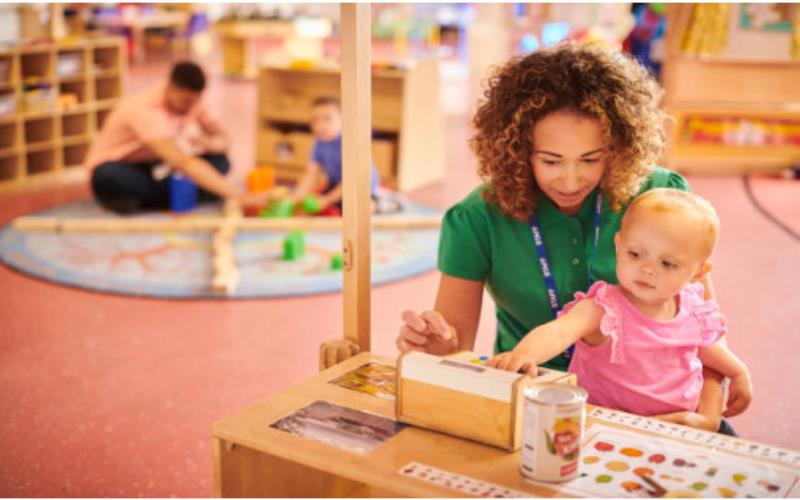

An infant care curriculum is crucial for the early development of babies, ensuring they are nurtured in a way that supports their cognitive, emotional, and physical growth. These first few years of life are vital for laying the foundation for future learning and development, making it essential to provide the right environment and activities. A well-designed infant care curriculum balances structured activities with the flexibility needed to cater to each child’s individual needs.
The Importance of an Infant Care Curriculum
A curriculum for infants is more than just a list of activities—it is a framework that guides caregivers on how to promote the development of an infant in various domains, including cognitive, social, emotional, and physical. A structured curriculum offers infants the best chance at learning essential skills during their early years. It helps caregivers provide the right kind of stimulation that encourages growth and development. This approach ensures that each infant receives the right care tailored to their developmental stage, laying a solid foundation for future learning. Click the link for more information: https://www.agapelittleuni.com/curriculum/
Cognitive Development Activities
Cognitive development in infants is primarily about helping them begin to understand the world around them. A good infant care curriculum includes activities designed to stimulate a baby’s curiosity and cognitive abilities. For example, caregivers might engage infants in games that involve looking at colourful objects, recognising patterns, or playing with toys that make different sounds. These activities encourage the infant to use their senses, helping them to develop their brain and learn about cause and effect. Simple activities like peek-a-boo also help babies understand object permanence, which is a critical cognitive milestone.
Social and Emotional Development
An effective curriculum goes beyond cognitive growth—it also nurtures social and emotional development. Infants rely heavily on their caregivers for emotional support, and a structured curriculum ensures that caregivers are responsive to the baby’s emotional cues. Activities that foster secure attachments, such as holding, cuddling, and talking to the baby, are essential for emotional well-being. Babies learn to trust their caregivers, which is fundamental for their social development. As they grow, they begin to engage with others, and a good curriculum will incorporate activities that promote positive interactions between babies, caregivers, and other infants.
Physical Development Through Movement
Physical development is another key element of an effective infant care curriculum. At this stage, infants are learning how to control their bodies and develop coordination. The curriculum should include activities that promote physical growth, such as tummy time, reaching for toys, and simple exercises that help develop motor skills. For example, activities like grasping objects, kicking, or rolling help infants strengthen muscles and develop gross motor skills. Encouraging babies to move freely, under the supervision of caregivers, allows them to build strength and confidence in their abilities.
Sensory Exploration and Stimulation
Sensory stimulation plays an important role in an infant’s learning process. Babies experience the world through their senses, and an infant care curriculum should provide a variety of opportunities for sensory exploration. This can include activities involving different textures, sounds, colours, and even tastes (when the baby reaches the appropriate age for solids). Sensory activities can include playing with water, touching soft fabrics, listening to calming music, or exploring different scents. These experiences help infants build connections in their brains and enhance their understanding of the world around them.
Language Development and Communication
Even though infants cannot speak, they are constantly absorbing language and learning communication skills. An effective infant care curriculum includes opportunities for babies to hear the language and engage with it, even in their early months. This can include talking to the baby, singing songs, reading simple books, or narrating everyday activities. The repetition of words and sounds helps babies begin to recognise language patterns, which is the foundation for later speech development. Caregivers also use facial expressions, gestures, and eye contact to communicate with babies, fostering their social communication skills.
Individualised Care and Flexibility
Each infant develops at their own pace, and it’s crucial for a caring curriculum to allow for flexibility in addressing individual needs. Some babies may reach developmental milestones earlier than others, while some may need more time. A good curriculum allows caregivers to adjust their approach based on each child’s progress, ensuring that all infants receive the appropriate level of stimulation and support. Individualised care also takes into account any special needs or considerations, ensuring that all infants are included and receive the best possible care.
Creating a Safe and Nurturing Environment
An effective infant care curriculum not only focuses on developmental activities but also emphasises the creation of a safe and nurturing environment. Babies need to feel secure in their surroundings to explore and learn confidently. Caregivers should maintain a safe space, free of hazards, and ensure that all activities and materials are age-appropriate. A nurturing environment means that caregivers respond to infants with warmth and care, making sure that babies feel comfortable and protected at all times.
Conclusion
An effective infant care curriculum is essential for the holistic development of babies in their first years of life. It provides a structured framework for fostering cognitive, social, emotional, and physical growth. The key elements of a good curriculum include stimulating cognitive activities, promoting social and emotional security, encouraging physical movement, providing sensory exploration, and nurturing language development. Importantly, it offers a flexible approach to care, ensuring that each infant receives the attention and support they need to thrive. By implementing these principles, caregivers can create an environment that allows infants to grow, learn, and feel safe, setting the stage for lifelong learning and development.

